8 Funny Tip Jar Quotes to Boost Staff Earnings
Published on
By Tony Newcome — Founder of AnchOps · Owner, Pizza Harbour
This article was drafted with AI assistance and reviewed by Tony Newcome, a working restaurant operator.
Funny tip jar quotes work because they are a low-cost behavioral nudge: a line that makes a customer pause and smile earns more than a bland “Tips Appreciated” sign that disappears into the counter. The eight quotes below are built for bars and restaurants — short enough to read in a second — with advice on placement, customization, and two-jar voting setups.
That matters because the best tip jar copy is never just decoration. It's a low-cost behavioral nudge, and the strongest versions are short enough to read in a second, sharp enough to land instantly, and flexible enough to match your service style. Independent idea lists keep circling back to the same kind of wording, from quick wordplay to two-jar voting setups, because the format works best when it feels immediate and interactive (Parade's tip jar sayings roundup, Otter's restaurant tip jar ideas). In practice, the better signs don't just ask for money. They give guests a reason to engage.
Table of Contents
- 1. The Honest Labor Cost Confession
- Why this lands with guests
- 2. The Scheduling Chaos Humor
- Make the joke match the real shift
- 3. The Tip Math Elimination Victory
- Humor that supports the back of house
- 4. The Payment Processing Reality Check
- Put the message where decisions happen
- 5. The Cross-Shift Coverage Appeal
- Use the joke only when the story is true
- 6. The Turnover and Retention Truth
- Stability is part of the customer experience
- 7. The Minimum Wage Reality Angle
- Keep it local, not generic
- 8. The Weekend Rush Acknowledgment
- Match the quote to the actual rush
- 8-Point Comparison of Funny Tip Jar Quotes
- Putting Your Quotes to Work
1. The Honest Labor Cost Confession
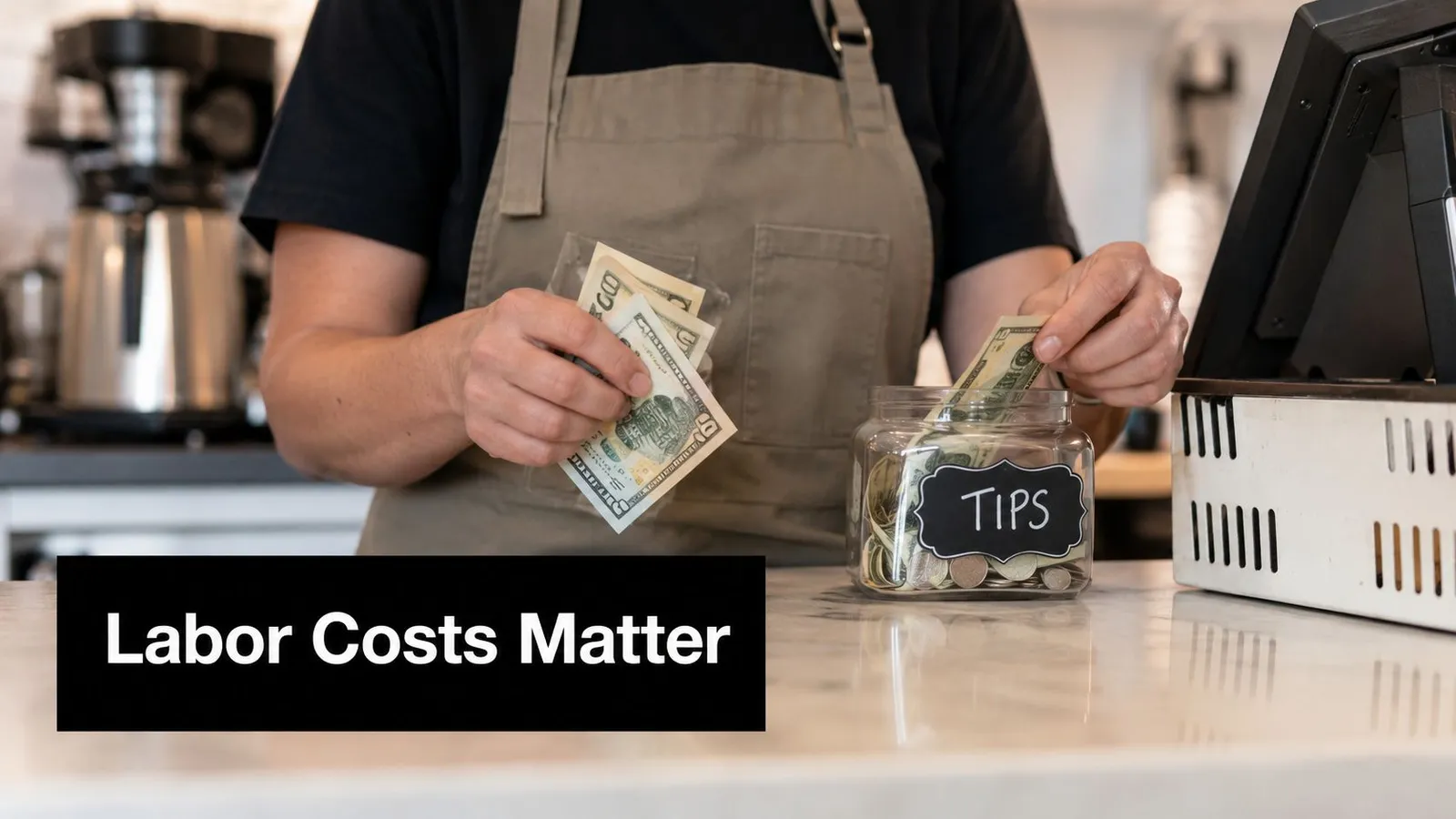
Labor cost jokes work because they tell the truth without sounding bitter. A guest doesn't need a finance lecture at the register, but they do understand that there are real people on the clock, real prep behind the pass, and real pressure on the operator trying to keep the room moving. A line like “Tips help us pay for the labor to keep you fed” makes the economics visible without killing the mood.
Why this lands with guests
The best version of this joke has a little self-awareness. It works in diners, coffee shops, counters, and casual bars where the customer already sees the team hustling, wiping tables, and calling orders back to the window. The sign becomes a quick translation layer between “a meal appeared” and “people made that happen.” That's why independent tip-jar lists keep recommending short, punchy lines with wordplay and double meaning, not long explanations (Parade's tip jar sayings roundup).
Practical rule: If the sign sounds like a complaint, customers tune out. If it sounds like a wry truth from someone who knows the business, they usually lean in.
Use this quote when labor is front of mind for your team. If you're managing a tight schedule, running with a lean crew, or trying to explain why the room feels busy even when the dining room doesn't look full, this kind of message gives staff a clean, non-pushy talking point. It also pairs naturally with weekly labor summaries, because the customer sees that the tip jar isn't a random ask, it's part of how the shift gets staffed and covered.
A good operator move is to keep the wording fresh. Don't leave the same labor joke up for months. Rotate it when staffing pressure changes, when seasonal traffic shifts, or when your team needs a little morale lift. The joke should feel current, not canned.
2. The Scheduling Chaos Humor
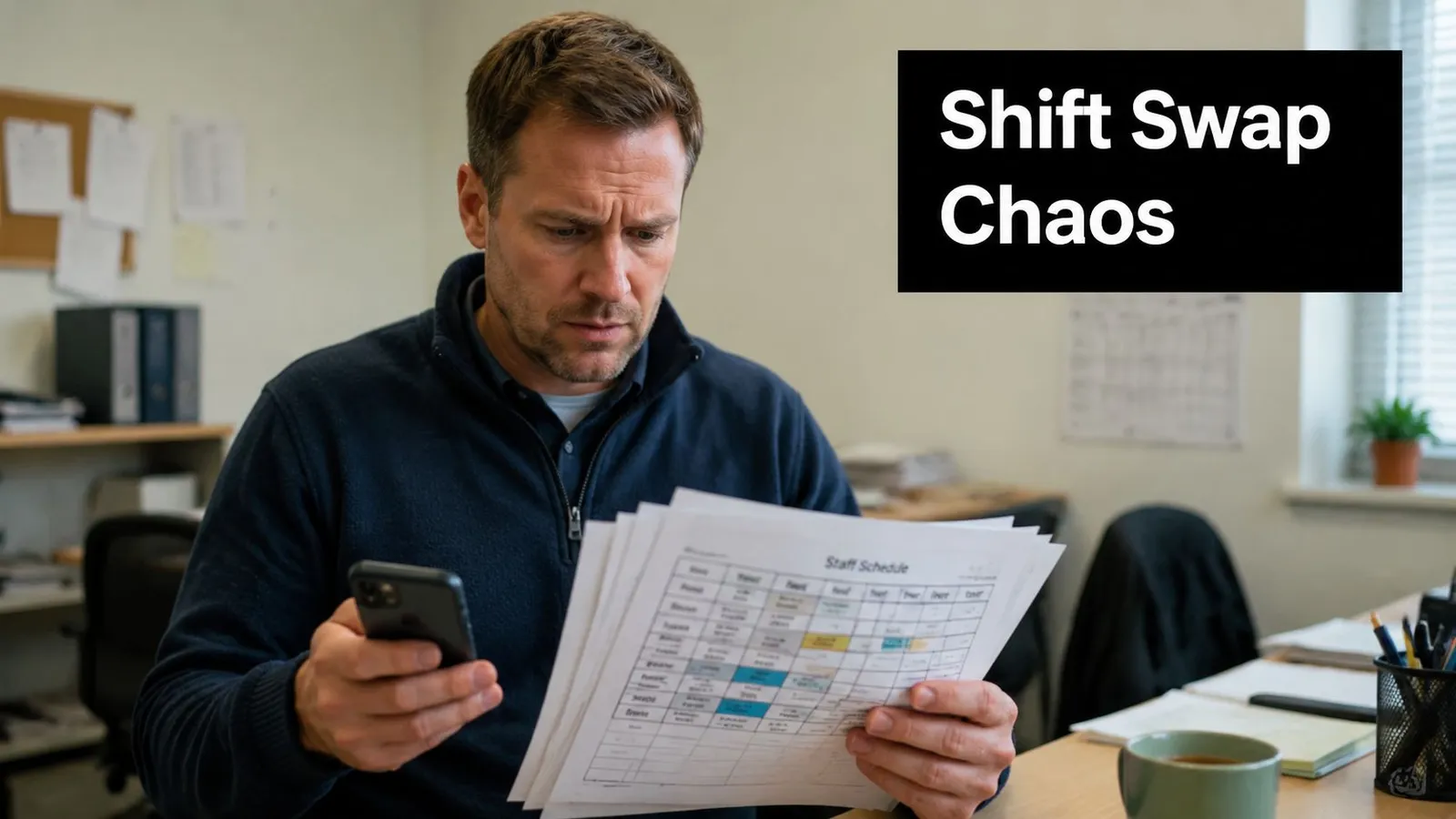
Scheduling chaos is one of those pain points that everyone in hospitality recognizes immediately. Shift swaps, call-outs, split availability, and last-minute coverage changes all create a kind of everyday chaos that customers never see. A line like “Tip so we can afford to hire enough people for next week” turns that hidden scramble into a joke with a point.
Make the joke match the real shift
This category works best when your team is feeling the squeeze. If you're short-handed on a Tuesday, running a patchwork weekend, or rebuilding a schedule after a call-out, the humor feels grounded instead of random. That matters because tip jar humor is strongest when the joke connects to a real operational pain point, not a generic punchline. Restaurant advice sources repeatedly recommend pairing short, legible copy with interactive prompts because the format is about attention and engagement, not just comedy (Otter's restaurant tip jar ideas, Cuboh's tip jar ideas).
Here's how to use it well:
- Put it where scheduling pain becomes visible. The register, host stand, or pickup shelf works better than a back wall.
- Tie it to the actual week. If a team member picked up extra coverage, let the sign nod to that reality.
- Keep the tone light. The line should make guests smile, not feel guilty.
- Use it as a manager cue. When a supervisor explains a shift swap or coverage issue, the sign can reinforce that the team is juggling real work.
A lot of operators miss the timing piece. The best scheduling joke loses force if it sits there when the shift is perfectly staffed. Use it when the operational truth supports the line. That makes the humor feel earned, and earned humor tends to get read.
3. The Tip Math Elimination Victory
Few hospitality frustrations feel as universal as manual tip math. If your team has ever spent the end of service squinting at receipts, dividing pools, or reconciling tip-outs by hand, the joke basically writes itself. That's why “No calculators were harmed in the making of your tip distribution” hits. It celebrates relief from a task everyone wanted to be done faster.
Humor that supports the back of house
This kind of quote is less about persuading the guest and more about shaping the culture around the tip jar. It tells staff that the operation respects their time and has removed one of the most annoying parts of the job. It also signals fairness, which matters when people are wondering how tips move from the till to their pay.
Use it directly in the point-of-sale area, where customers can see that the business has a cleaner system underneath the joke. That pairing matters because sources on tip jar merchandising keep pointing to the format, not just the wording. They recommend combining copy with cues like starter money, visual progress, or competitive mechanics, because static signage rarely works as well as an active display (Cuboh's tip jar ideas).
If the joke makes the back-of-house process feel more transparent, staff usually trust it faster.
A useful real-world scenario is hiring. When a candidate asks what closing looks like, “We don't do tip math by hand anymore” is a better answer than a polished slogan. It tells them the operation is organized, and it removes one more source of friction from the job. That's valuable whether you're running a small coffee counter or a multi-station dining room.
This quote also works as an onboarding line. New hires remember it because it's funny, but they also remember the message behind it, which is that the business has tried to remove needless admin work.
4. The Payment Processing Reality Check
Card payments make checkout easier for guests, but they also hide costs that operators feel immediately. That's why a line like “Card fees are real. Your tip helps us break even” works. It's blunt enough to be believable, but still playful enough to fit a tip jar instead of a legal notice.
Put the message where decisions happen
This is the quote to place near the payment terminal, tap pad, or receipt screen. Customers decide about tips at the moment they see the total, so the message should live in that same visual field. A joke about processing fees bridges the gap between customer perception and what the business absorbs on each transaction.
That kind of context matters more now because many guests are paying digitally and interacting with tipping prompts inside a checkout flow rather than at a cash jar. The advice sources in this space keep showing the same pattern, short copy plus a clear action point, because a tip prompt works best when it's easy to understand fast (Otter's restaurant tip jar ideas).
A second line in this category, “Processing fees are hungry. Feed your server instead,” is more pointed and a little sassier. Use it only if your brand voice can carry it. In a polished neighborhood bistro, that line might feel too cheeky. In a fast-casual shop or late-night bar, it can feel exactly right.
This quote also gives staff a clean way to explain why tips matter when guests ask how card payments affect the business. No one wants a scripted sales pitch. They do respond to a quick, human explanation that acknowledges both convenience and cost.
5. The Cross-Shift Coverage Appeal
Some tip jar quotes work because they praise the person standing there. This category works because it spotlights the invisible hustle behind a smooth shift. “Your waiter is covering lunch AND dinner. Appreciate that generosity” does exactly that. It turns an operational strain into a small moment of recognition.
Use the joke only when the story is true
That honesty is what keeps the line from feeling manipulative. If someone really did pick up a double, work around a call-out, or stay late to cover a gap, the quote lands as appreciation, not theatrics. Guests usually respond better when the sign matches the floor reality they can sense from the room.
This is also a good quote to pair with team communication. If managers are using shift release and coverage requests in an app, the tip jar can reinforce the message that the business values flexibility and support. The point isn't to guilt the customer. The point is to show that good service depends on people stepping up for one another.
A few practical ways to use it:
- Feature it on heavy coverage days. Don't leave it up during a calm lunch if nobody's covering extra shifts.
- Let managers reference it naturally. A quick mention at pre-shift can make the sign feel real.
- Use it with internal morale content. Team spotlights and coverage shout-outs make the joke stronger.
- Keep the language simple. Guests should get it in a glance, not after a second read.
The best cross-shift line makes tipping feel like a small acknowledgment of flexibility, not a forced donation. That distinction matters. Guests usually tip more willingly when they feel like they're rewarding visible effort.
6. The Turnover and Retention Truth
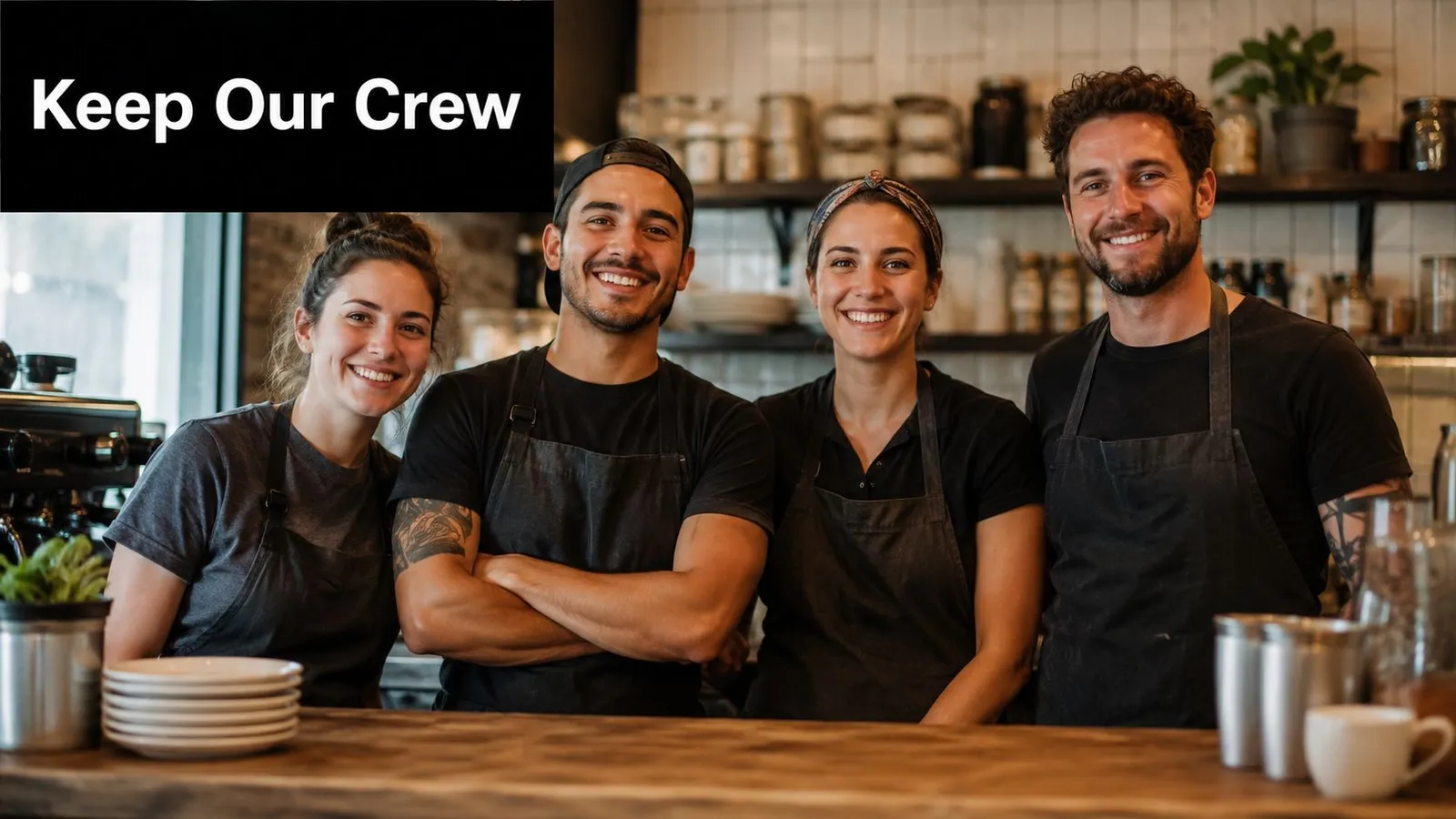
Retention is one of the quietest benefits a good tip culture can support. When a guest keeps seeing familiar faces, they usually notice the difference in service, speed, and confidence. A line like “Our crew has been together for years. Let's keep them that way” makes that connection visible without turning the register into a lecture.
Stability is part of the customer experience
This quote works because it links consistency to compensation. Customers who return often already know the bartender's name or recognize the same server at the table. That familiarity becomes part of the brand, and the sign helps explain why keeping good people matters. It also fits naturally alongside team spotlights, anniversary posts, and other retention-focused content.
The language should sound proud, not defensive. “You know our bartender's name? It's because they're paid well. Tip accordingly” is sharper and more direct. Use it if your brand leans toward blunt honesty and your guests appreciate a little edge. In a more family-friendly room, the softer version usually lands better.
Retention messaging works best when it celebrates continuity instead of sounding like a plea.
This category is also useful internally. New hires see that the restaurant cares about keeping experienced people, and that can help with onboarding and trust. A business that jokes openly about tenure is telling staff that experience counts. That's valuable in a field where loyalty is often fragile.
For operators thinking about morale, there's a useful parallel in how workplaces reward consistency and belonging. That's part of the reason employee perks and retention-focused communication matter, as discussed in boosting staff morale and loyalty. A tip jar quote won't solve turnover on its own, but it can reinforce the kind of culture that keeps good people around.
7. The Minimum Wage Reality Angle
The economics of restaurant work are part of the conversation whether operators like it or not. A quote like “Minimum wage can't afford maximum rent. Your tip helps” is effective because it says the quiet part out loud, but still keeps the tone light enough for public-facing use. It acknowledges the gap between what the job pays and what life costs in many markets.
Keep it local, not generic
This is the one category that needs the most calibration. A line that feels fair in one city can feel tone-deaf in another, so the wording should match your market and your audience. If you're in a high-cost area where workers and guests both feel housing pressure, the joke can be direct. If your clientele is more mixed or price-sensitive, soften the language so it feels informative rather than confrontational.
The best use is local specificity. Mentioning the realities your team faces, without turning the sign into a policy memo, keeps the quote grounded. If your market is especially tight, you can make the message more conversational, like “Our staff's rent is due. So is yours. Tip accordingly”. That version is sharper and works best where candid humor is part of the brand voice.
A few operating principles help here:
- Match the wording to your neighborhood. Upscale guests and regulars may respond differently than a late-night crowd.
- Keep it respectful. The goal is empathy, not pressure.
- Refresh it annually. Local wage and cost conditions shift, and the sign should keep up.
- Use it in hiring conversations too. Candidates want to know you understand the economics of the job.
This category can be powerful because it turns a vague moral appeal into a concrete reality. Customers don't need every detail, but they do need enough context to understand that tipping supports the people serving them.
8. The Weekend Rush Acknowledgment
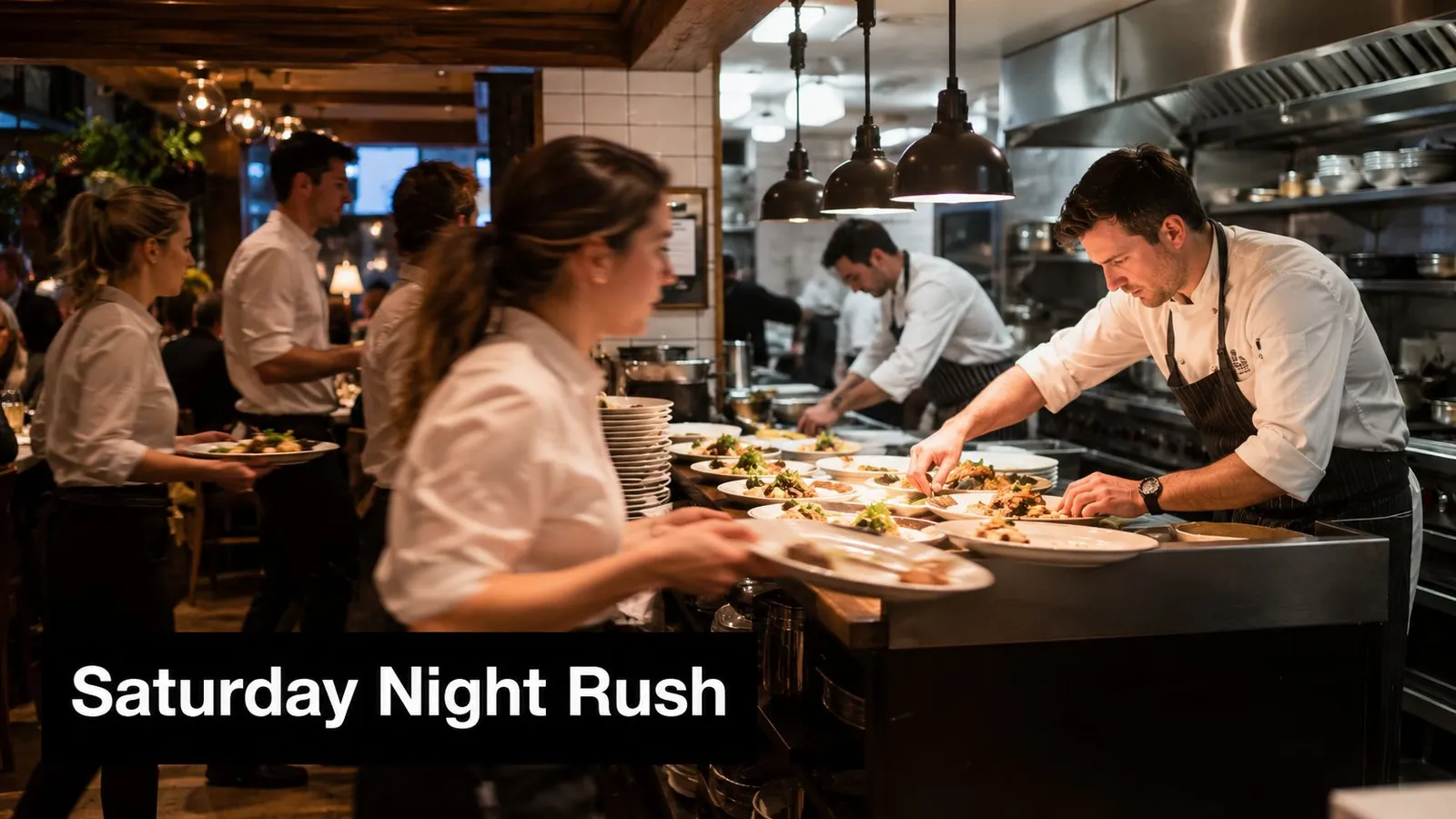
Busy nights deserve their own language. A line like “It's Saturday night. Our staff is running a marathon. Tip like they won” works because it captures the physical and mental load of peak service without sounding dramatic. Guests know when the room is slammed, and they usually respond well to a sign that names the chaos directly.
Match the quote to the actual rush
This is the most seasonal and situational of the eight. Use it on weekends, holidays, special events, and any service window where the volume is visibly high. If the dining room is quiet, the line loses force. If the team is carrying a full section, the joke feels earned.
That timing is important because tip-jar humor works best when it reflects the moment in front of the guest. Independent advice on tip jars keeps favoring short, highly legible copy because people read the sign while they're already making a decision (Parade's tip jar sayings roundup, Cuboh's tip jar ideas). In a rush, that means the sign has to do its job fast.
A stronger version for holiday or event service is “Holiday rushes make us strong. Your tip makes us sane”. That one has a little more warmth and works well when the team is visibly stretched. It turns generosity into appreciation for pressure, which is exactly what a packed night needs.
The practical move is to rotate this quote in and out based on real volume. If you use scheduling alerts or labor tracking, let the sign mirror those busy periods. Staff notice when management recognizes the rush, and guests notice when the message feels true.
8-Point Comparison of Funny Tip Jar Quotes
| Tip Quote | 🔄 Implementation Complexity | ⚡ Resource Requirements | ⭐ Expected Effectiveness | 📊 Expected Outcomes | 💡 Ideal Use Cases |
|---|---|---|---|---|---|
| The Honest Labor Cost Confession | Low, wording + context | Low, signage + occasional labor stats | High ⭐⭐⭐ | Greater tipping & customer understanding | Tip jars, labor summaries, seasonal updates |
| The Scheduling Chaos Humor | Low, simple, timely copy | Low–Med, scheduling visibility (AnchOps) | Medium–High ⭐⭐ | Staff morale lift; empathy; risk of seeming disorganized | Near registers when using AnchOps scheduling; staff meetings |
| The Tip Math Elimination Victory | Low, celebratory messaging | Medium, requires automated tip system | High ⭐⭐⭐ | Fewer disputes; faster payouts; recruitment appeal | POS area, onboarding, recruitment materials |
| The Payment Processing Reality Check | Medium, needs simplified accuracy | Medium, payment data access + staff training | Medium ⭐⭐ | More cash tips; customer education; possible pushback | At payment terminals; with mobile tipping options |
| The Cross-Shift Coverage Appeal | Low, targeted, situational copy | Low, shift-release & coverage tracking | Medium ⭐⭐ | Increased support for multi-shift staff; team solidarity | Days with coverage gaps; internal announcements |
| The Turnover and Retention Truth | Medium, sensitive, data-backed | Medium, tenure highlights + staff content | High ⭐⭐⭐ | Boosts appreciation, retention narrative, tipping | Stable teams, staff spotlights, recruitment campaigns |
| The Minimum Wage Reality Angle | Medium–High, market research required | Medium, local wage/rent data, periodic updates | Medium ⭐⭐ | Empathy and education; potential controversy | High cost-of-living areas; community engagement |
| The Weekend Rush Acknowledgment | Low, seasonal rotation | Low, signage rotation + real-time alerts | High ⭐⭐⭐ | Increased peak-period tips; staff morale boost | Weekends, holidays, special events; when labor is stretched |
How Do You Pick the Right Tip Jar Quote?
The best funny tip jar quotes are the ones that fit your room, your team, and the exact moment a customer is deciding whether to tip. A joke that works at a late-night bar might feel too sharp in a neighborhood cafe. A line that feels perfect on a slammed Saturday could feel out of place on a slow Tuesday. That's why the smartest operators don't treat tip jar copy like a one-and-done sign. They treat it like a small piece of merchandising that should earn its space.
The strongest pattern across tip-jar advice is brevity, immediacy, and interaction. Independent lists keep returning to short lines, voting-style setups, and other forms of engagement because the format has to work in seconds (Parade's tip jar sayings roundup, Otter's restaurant tip jar ideas). This is the main lesson. Humor gets attention, but the structure is what turns attention into action.
The most useful operating habit is rotation. Change the sign when labor feels tight, when the weekend rush hits, when a team member is covering extra shifts, or when you want to reinforce retention and fairness. Rotate copy over a few service periods and watch which version your staff likes most, which one guests notice, and which one feels natural at the register. The best quote is rarely the cleverest one on paper. It's the one that sounds like your business and makes the tipping moment feel human.
If you want your tip jar sign to support both morale and operations, build it into the same workflow as scheduling, coverage, and labor tracking. Keep the message current, keep it short, and keep it tied to the reality your team is living through that week. A little humor goes a long way when it's backed by a real operational story.
A CTA for AnchOps.
Your back-of-house partner is ready
AnchOps handles scheduling, tip calculations, labor costs, and timecards — so you can focus on your restaurant, not your paperwork.