Effective Staff Appreciation Activities for Restaurants
Published on
By Tony Newcome — Founder of AnchOps · Owner, Pizza Harbour
This article was drafted with AI assistance and reviewed by Tony Newcome, a working restaurant operator.
Staff appreciation activities work in restaurants when they're built for restaurant conditions — limited budgets, short pre-shift windows, split shifts, and the need to recognize specific moments rather than hand out generic praise. The ideas below range from thank-you notes and shift shout-out boards to points-based rewards and team lunches, each one runnable without adding manager workload.
Restaurant teams notice the gap fast. FOH sees who stayed calm with a six-top that should never have been sat. BOH sees who jumped on garnish when the rail filled up. Split shifts, callouts, late ticket spikes, and handoffs between day and night crews create dozens of moments worth recognizing, but generic appreciation misses all of them.
That is why staff appreciation activities need to be built for restaurant operations, not copied from an office playbook. A good idea has to survive real conditions: limited budget, uneven staffing, short pre-shift windows, and the usual tension between fairness and speed. If an appreciation program adds work for managers, interrupts service, or favors one department, it will die within a month.
The ideas in this guide are designed for that reality. Each one ties recognition to specific behaviors you want repeated, shows how to run it without slowing the floor, and includes practical details such as budget range, useful KPIs, and simple ways to track participation with tools like AnchOps.
Appreciation works best when it is timely, specific, and visible to the people who earned it. In restaurants, that usually means building it into the shift itself, not saving it for a quarterly speech nobody remembers.
Table of Contents
- 1. Personalized Thank You Notes
- Make the note specific or don’t bother
- 2. Shift Shout-Out Board
- Build it so it survives real restaurant life
- 3. Employee of the Month Program
- Build it around a scorecard people can trust
- 4. Points-Based Rewards System
- 5. Team Lunch with Chef's Specials
- Feed people without wrecking the shift
- 6. On-the-Spot Bonus Pay
- 7. Professional Development Workshops
- Build workshops around restaurant reality
- How to run it without creating more chaos
- 8. Flexible Scheduling Incentives
- How to make it fair enough to keep
- 9. Birthday and Work Anniversary Celebrations
- Build a system managers can actually maintain
- 10. Off-Site Team Building Experiences
- Build the event around restaurant reality
- Staff Appreciation Activities: 10-Item Comparison
- Putting Appreciation on the Schedule
1. Personalized Thank You Notes
Friday dinner rush is over, the dish pit is still loud, and one of your cooks stayed ahead of a prep problem that could have slowed the whole line. Nobody in the dining room saw it. The rest of the team may not have noticed either. A short, specific thank you note is how you make sure that kind of work does not disappear.
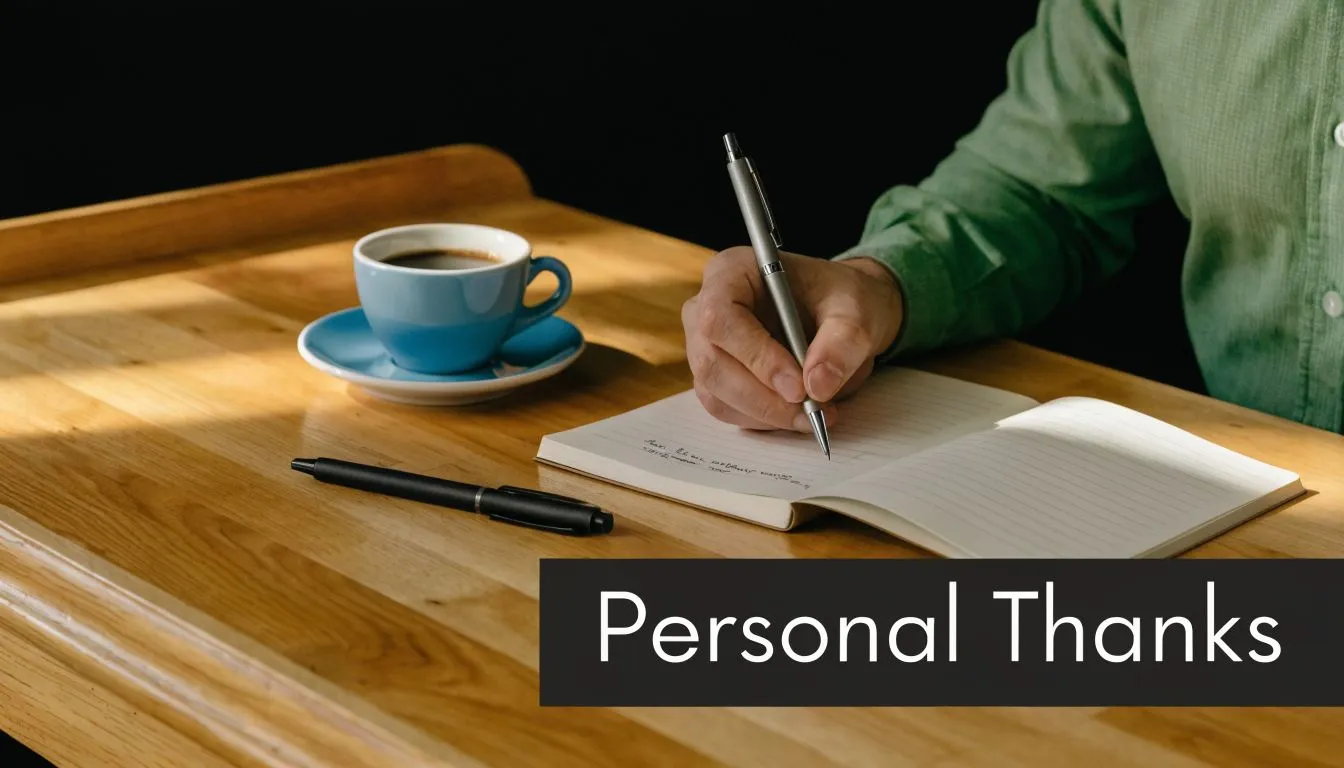
This works well in restaurants because it fits the way the job operates. Some people hate public praise. Some are gone before pre-shift because they worked lunch. FOH and BOH rarely hear the full story of what the other side handled. A note closes that gap without turning appreciation into a production.
Handwritten is stronger if you can manage it. Digital is better than waiting two weeks and forgetting the moment. I have seen both work. The deciding factor is speed and specificity.
Make the note specific or don’t bother
Generic praise gets skimmed and forgotten. A useful note names the action, the result, and why you trust that person more because of it.
“Thanks for helping tonight” is weak. “You caught the allergy modifier before expo sent the plate, and you saved the table, the server, and the shift from a preventable mess” is the kind of note people keep.
Use a simple format:
- Name the action: Say exactly what the employee did.
- Show the impact: Tie it to guest experience, ticket flow, food quality, or team coverage.
- Add a personal detail: Mention consistency, improvement, judgment, or reliability.
Practical rule: If the same note could go to any three people on staff, rewrite it.
Keep the system light or it will die. Set a target of three to five notes per week for managers, not twenty. Write them right after payroll review, after close on your admin day, or after a rough shift where someone clearly carried extra weight. If you use AnchOps or another ops tool, tag standout moments in shift notes so you are not relying on memory by Friday.
A few operational details matter:
- Budget: $10 to $25 a month for cards, envelopes, and pens. Digital notes cost nothing.
- Best cadence: 3 to 5 notes weekly in a small store. 5 to 8 in a higher-volume operation with multiple department leads.
- Who should send them: GM, AGM, kitchen manager, and department leads. Peer notes can work too, but manager notes carry more weight.
- Best delivery point: End of shift, paycheck pickup, pre-shift cubbies, or a private message sent the same day.
Track whether the habit is doing anything. Look at retention for new hires in the first 90 days, call-out rates, and whether cross-trained staff keep volunteering for tougher stations. You are not trying to create a Hallmark moment. You are trying to repeat the behaviors that make service smoother and the team more reliable.
Done well, thank you notes help with a problem restaurants deal with every week. The strongest contribution on a shift is often invisible unless a manager calls it out clearly.
2. Shift Shout-Out Board
Friday dinner push. Tickets are stacking, a server is in the weeds, dish is backed up, and one line cook slides over to cover a station that is about to fall apart. If nobody names that effort before everyone clocks out, it disappears. A shift shout-out board gives you a way to catch those moments while they still matter.
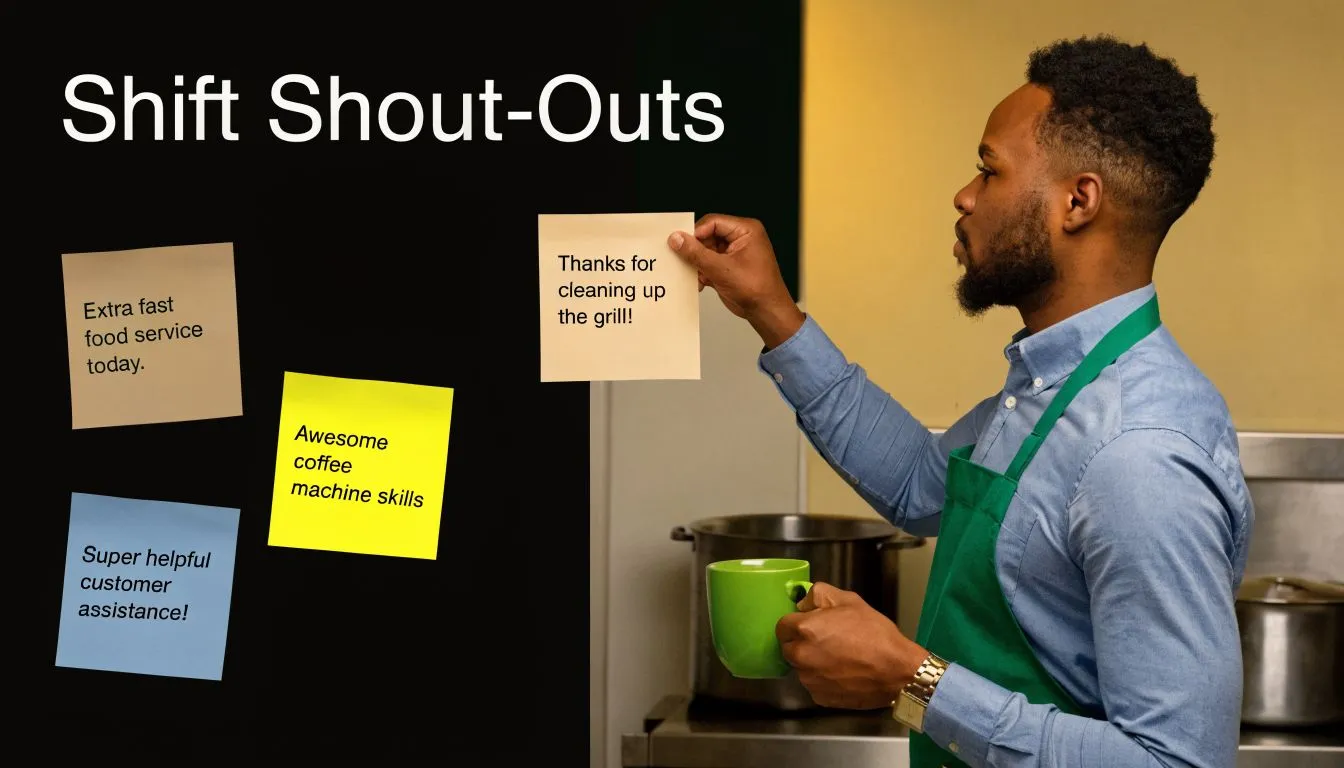
This works well in restaurants because the pressure is immediate and the wins are small but important. You are not waiting for a monthly review. You are recognizing the expo who kept the rail straight, the bartender who bailed out a slammed section, or the prep cook who caught a miss before service.
Keep the board where people pause. By the time clock, near the staff meal setup, outside the office, or in the BOH hallway usually works better than a break room nobody visits. If your team checks phones more than walls, run the same system in your scheduling or messaging app and post the best two or three in pre-shift. AnchOps can help here if you already log shift notes there. Managers can tag standout moments during service and turn them into shout-outs before the details get fuzzy.
The format should stay tight. One name, one action, one result.
“Shout-out to Maria for jumping on fries during the 7:15 rush and keeping ticket times from blowing up.”
“Thanks to Andre for staying ten minutes late to reset dish and helping close finish on time.”
That kind of note earns trust because people saw it happen.
Build it so it survives real restaurant life
A shout-out board fails for predictable reasons. It turns into generic praise, one department gets ignored, or it becomes another manager task that dies after ten days. Give it an owner each week. In a smaller store, that can be the MOD. In a larger operation, rotate it between FOH lead, kitchen lead, and AGM so recognition does not stay in one lane.
Set a few operating rules:
- Keep every note specific. “Great job” does nothing. Name the action.
- Cover both FOH and BOH. If the board only celebrates guest-facing roles, the kitchen will stop caring fast.
- Tie shout-outs to shift behaviors. Recovery, speed, teamwork, station support, clean close, training help, and reliability all count.
- Use it in lineup. Read two notes at pre-shift so recognition becomes part of operations, not wall decor.
Public recognition has a trade-off. It is fast and visible, but it can drift into favoritism if managers only notice loud personalities. The fix is simple. Pull examples from shift logs, manager notes, and peer submissions, not memory alone. Quiet high-performers usually carry more of the restaurant than the room realizes.
A practical setup looks like this:
- Budget: $15 to $40 for a whiteboard, markers, magnets, or sticky notes. Digital version costs little to nothing.
- Best cadence: 3 to 6 new shout-outs per week in one-unit operations. More if you run multiple dayparts or high volume weekends.
- Who should post: MODs, shift leads, kitchen managers, and selected peer captains.
- Best KPI checks: Participation by department, 30-day retention for new hires, call-out trends, and whether the same few names dominate the board.
If the board is working, staff start repeating the behaviors that get recognized. Side work gets done without chasing. Cross-station help shows up faster. Pre-shift gets sharper because you have real examples from the floor, not another generic talk about teamwork.
3. Employee of the Month Program
Saturday dinner rush ends, the dishwasher stayed late to help close, a line cook covered a callout without complaining, and a server handled a table meltdown before it spread across the room. Then Monday comes, and the same polished FOH name wins the monthly award again. That is how a recognition program loses the kitchen, the support staff, and anyone who does solid work without making noise.
Employee of the Month can still work in restaurants. It just has to fit restaurant reality. Split shifts, uneven guest visibility, and FOH versus BOH tension make this harder than it looks. The award should recognize the people who make service run, not just the people managers saw the most.
Build it around a scorecard people can trust
A fair program starts with criteria that apply across roles. Reward what keeps the operation steady: attendance, punctuality, clean handoffs, training support, station readiness, guest recovery, side work, and composure under pressure. A bartender and a prep cook will show value in different ways, but both can be measured against standards that matter.
Use three inputs and publish them:
- Operational performance: Attendance, tardiness, completed side work, shift pickup reliability, training participation.
- Team contribution: Peer nominations with a specific example, not popularity votes.
- Manager review: One short write-up tied to a real shift or service issue the employee handled well.
Keep the process visible. Post the rubric in the break area or staff chat so nobody has to guess how the winner was picked. If you already track attendance and schedule reliability digitally, tie the award to those records. Tools that support restaurant labor cost tracking and scheduling consistency make it easier to pull facts instead of relying on whichever manager remembers the most.
The prize does not need to be big. It needs to feel earned.
A practical setup looks like this:
- Budget: $25 to $100 per month. Common options are a gift card, preferred parking, first pick on one high-demand shift, or a paid meal.
- Best cadence: Monthly works best for most restaurants. Quarterly can work if your team is small.
- Who should decide: One manager, one shift lead, and one rotating peer voice. That keeps it from turning into a GM popularity contest.
- Best KPI checks: Winner distribution between FOH and BOH, nomination count by department, callout trends, and retention among reliable staff.
One caution. If the same role wins every month, staff will read that as bias even if your intent is good. Track winners by department and adjust the nomination pool if needed. In some houses, alternating between FOH and BOH months keeps trust higher. In others, a single program still works if the rubric is tight and managers document the reasons.
When it is run well, this program gives people something public and concrete to aim at. Standards get clearer. Peer recognition gets sharper. Managers also get forced to notice the quiet people who hold the restaurant together.
4. Points-Based Rewards System
A points system works in restaurants that need appreciation to survive real operating pressure, not just look good on a poster. The test is simple. Can a line cook on a closing shift, a host on a double, and a server covering a callout all earn points through actions they control? If the answer is no, staff will write it off fast.
The strongest version rewards habits that keep the restaurant stable across FOH and BOH. Attendance matters. So does picking up an uncovered shift, training a new hire without being asked twice, getting named in a guest review, or finishing side work without a manager chasing it down. Avoid points for raw sales unless every role has a fair shot at them.
Keep the rules tight enough to explain during pre-shift.
A setup that usually holds up looks like this:
- Point categories: 4 to 6 max. Good choices are on-time arrivals, shift pickup support, guest praise, clean closes, training help, and zero callout weeks.
- Budget: $50 to $200 per month, depending on headcount. Use low-cost rewards first, such as schedule preference, a paid meal, parking, small gift cards, or first choice on one desirable shift.
- Cadence: Weekly tracking with monthly redemption works better than a long, vague quarter. Restaurant teams lose interest if the finish line is too far away.
- Visibility: Post the rules in the break area and in the team chat. Nobody should need a manager to interpret the system.
- Best KPI checks: participation rate by department, redemption rate, callout frequency, late clock-ins, open-shift pickup speed, and 30 to 90-day retention for new hires.
Use records, not manager memory. If you already review scheduling and attendance in a labor tool, build the points system off that same workflow. Restaurant labor cost tracking helps managers connect recognition to punctuality, shift coverage, and labor discipline without adding another spreadsheet nobody updates after week two.
The trade-off is admin time. Every restaurant likes the idea of points. Fewer like maintaining them during Friday dinner service, a fryer issue, and two no-shows. That is why I recommend a short reward catalog and a hard cap on earning categories. If staff need a five-minute explanation to understand how points work, the program is too complicated for a busy house.
One more caution. Watch for role bias. Servers often generate visible guest praise. Dishwashers and prep cooks usually do not, even when they save the shift. Balance the scoring so quieter back-of-house work counts too, or the program turns into another FOH contest.
5. Team Lunch with Chef's Specials
A staff meal can be routine, or it can feel like appreciation. The difference is intention. If the kitchen dumps leftovers into a pan and calls it morale, nobody feels special. If the chef builds a meal for the team, explains a new dish, and invites feedback, it lands differently.
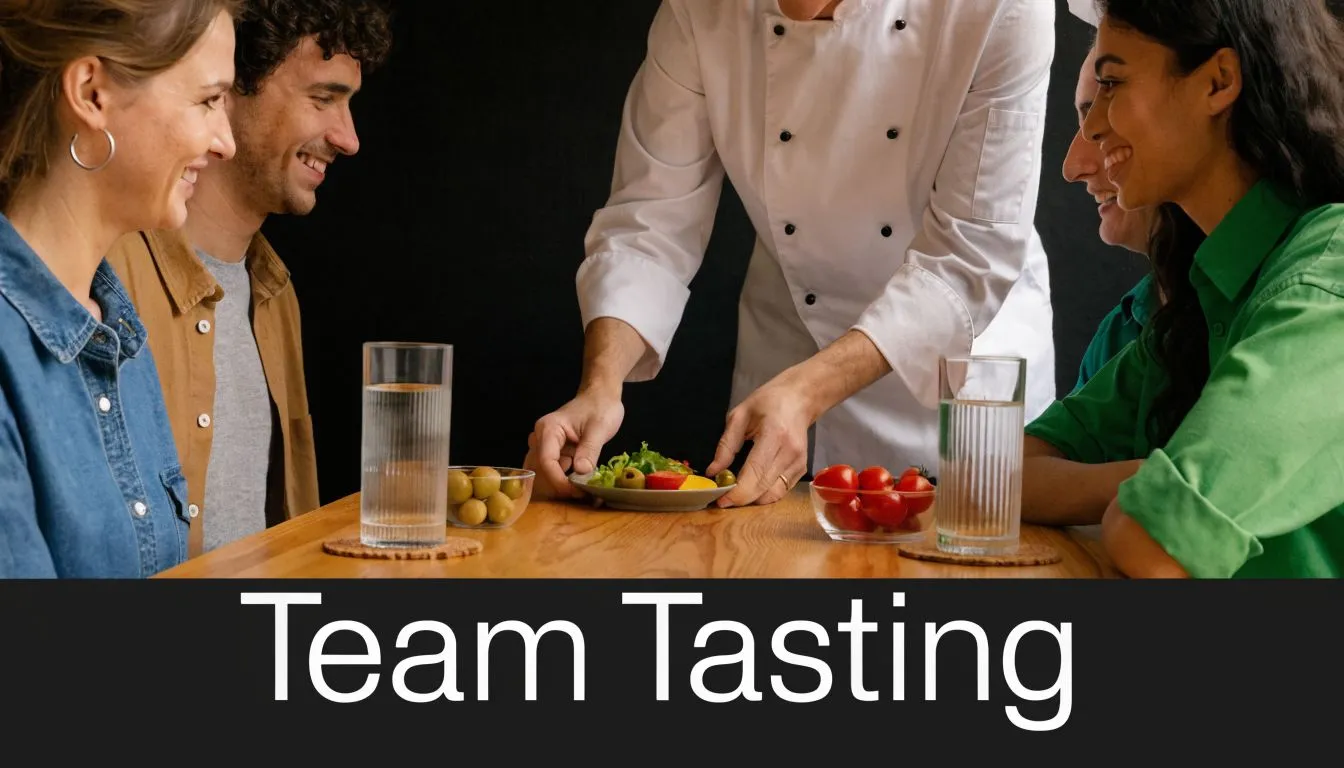
This works especially well in restaurants with a real FOH and BOH divide. Sitting down, even briefly, around the same food helps reset that split. Servers understand what they’re selling. Cooks hear direct reactions. New menu ideas get tested in a lower-pressure setting.
Feed people without wrecking the shift
Run this during a slower daypart, after a menu change, or before a seasonal rollout. Keep the format tight. Twenty to thirty minutes is enough for a tasting, a quick thank-you, and a couple of questions from the floor.
What works:
- Feature one or two items: Don’t turn it into a production.
- Invite feedback: Ask servers what guests will ask about first.
- Protect coverage: Stagger breaks so service doesn’t suffer.
What doesn’t work:
- Scheduling it in the middle of a rush
- Making hourly staff wait unpaid for it
- Treating it like a lecture
This is also where scheduling and forecasting matter. If you can see labor pressure in advance, you can place the event where it won’t create resentment. In operations using Toast-connected tools, operators often use schedule and sales visibility to make decisions that support both service and team experience. The broader Toast POS overview from Deliverect highlights how integrated staff management features can free up admin time, which is exactly what lets managers create moments like this instead of constantly firefighting paperwork.
6. On-the-Spot Bonus Pay
Friday dinner service is ten minutes behind, the printer jams, a table walks in with a severe allergy, and one line cook calmly reorganizes the station, catches the allergy note, and keeps the rail from blowing up. That is the moment to reward. Not next payroll if you remember. Right then, or before that employee clocks out.
Spot bonus pay works in restaurants because the pressure is immediate and the win is obvious. A good manager uses it to reinforce behavior that protects service, not to hand out random feel-good money. Reward the server who turns around a guest complaint without dragging the whole floor into it. Reward the dishwasher who stays an extra hour after a callout and keeps the kitchen from choking on clean plate shortages. Reward the expo who keeps FOH and BOH from sniping at each other during a bad rush.
Keep the structure simple so it survives real operations.
- Set a monthly budget: Even $100 to $300 can work in a single-unit restaurant if you use it with discipline.
- Name the triggers: Shift-saving teamwork, guest recovery, perfect attendance during a hard week, cross-station help during a callout.
- Pay it through the right channel: Add it to payroll, load a digital card, or use another documented method that fits your wage and tip rules.
- Track who received it and why: A short note protects you from favoritism and helps you spread recognition across FOH and BOH.
Speed matters, but consistency matters more. If only the loudest people get rewarded, the quiet professionals stop caring. I have seen that happen fast. The safest rule is simple. Tie every bonus to one visible action and one business result, such as saving a guest relationship, reducing ticket times during a crunch, covering an uncovered station, or preventing waste.
Use a short review at the end of each week. Check who received spot pay, which shifts triggered it, and whether one department is getting overlooked. If your cooks never get recognized but servers do, staff will notice. If only closers get the money, openers will notice that too.
For operators who want to keep recognition tied to labor reality, AnchOps can help you compare performance against staffing pressure and use a restaurant labor cost calculator to set a bonus pool you can sustain.
Don’t reward only the dramatic save. Restaurants run on the people who prevent the disaster in the first place.
A practical KPI set for spot bonuses:
- Redemption rate: How much of the monthly pool was used
- Department spread: FOH versus BOH distribution
- Repeat recipient rate: Whether the same few people get rewarded every time
- Shift impact: Guest recovery notes, reduced overtime, better close times, or fewer callout-related service failures
Done well, on-the-spot bonus pay tells staff you noticed the work that kept the shift standing. Done poorly, it turns into manager mood money. The difference is a budget, a rule set, and five minutes of tracking.
7. Professional Development Workshops
A strong server gets buried on a Friday push, keeps the floor calm, upsells without sounding pushy, and trains the new hire between tables. If the only thank-you they get is "good job," they will start looking for a place that offers a path, not just praise. In restaurants, development is appreciation with teeth. It tells people there is a future here beyond surviving tonight's shift.
The workshop itself does not need to be fancy. It needs to solve a real operating problem. Wine and pairing basics for FOH can raise check averages. Knife skills for prep cooks can cut waste and speed up setup. Conflict handling for hosts can prevent a small lobby issue from turning into a comped table. Lead-line training for a dependable cook can give you one more person who can run expo when a manager gets pulled away.
Here’s a useful format if you want inspiration for the learning side of recognition:
Build workshops around restaurant reality
If attendance is expected, pay for the time. If it cuts into family time, split shifts, or a second job, schedule around that reality or turnout will collapse. I have had the best results with 30 to 45 minute sessions before pre-shift, after lunch close, or repeated twice in the same week so both openers and closers can attend.
Keep the format tight:
- One skill per session: Pick a topic tied to daily service, not generic motivation.
- One clear payoff: Cross-training eligibility, trainer status, bar certification, or lead shift consideration.
- One live application: Use the skill on the floor or line within the next two weeks.
- One owner: Assign a manager or senior employee to verify the training stuck.
The trade-off is real. Pull too many people off the floor and service suffers. Make the session too light and staff read it as box-checking. The fix is to tie each workshop to one staffing or service gap you already need to solve. If late tickets keep stacking on sauté, train two backups. If hosts struggle during rushes, run a short workshop on wait-list language, table pacing, and handoff standards.
AnchOps helps if you use it to track completed training by role, station, and eligibility for future shifts. That makes promotion decisions less subjective and helps managers avoid the kind of restaurant scheduling mistakes that cost money when only one person knows a critical station.
How to run it without creating more chaos
Set a small monthly budget and keep it visible. In many restaurants, that looks like paid training hours plus a modest cost for materials, tasting product, or an outside instructor once in a while. A practical starting point is one workshop per month for the full team, or two smaller role-based sessions if FOH and BOH need different skills.
Track a short KPI set:
- Attendance rate: By department and shift type
- Skill usage rate: Whether trained staff used the new skill on live shifts
- Promotion or cross-training count: How many people became eligible for more responsibility
- Operational impact: Fewer comps, faster ticket times, lower waste, stronger upsell performance, or easier schedule coverage
Done well, workshops show staff you are willing to invest in their next step, not just their next shift. That message tends to land harder than swag ever will.
8. Flexible Scheduling Incentives
Friday dinner is short a server, one cook asked off for a family event, and two people want the same Saturday night section. That is when schedule flexibility stops feeling like a perk and starts showing whether your operation is fair.
In restaurants, control over time often matters more than a small giveaway. Reliable employees remember who got first pick on stronger shifts, whose time-off requests got approved, and whether swap rules were applied evenly across FOH and BOH. If that process feels political, the incentive backfires.
Flexible scheduling works best as an earned privilege with clear limits. Write down the standards before you offer anything. Tie eligibility to behaviors you can track, such as attendance, punctuality, shift pickup history, station coverage, and clean handoffs between teams.
AnchOps helps keep that process visible through shift releases, approval workflows, and coverage tracking. That matters if you are also trying to avoid restaurant scheduling mistakes that cost money like overloading the same dependable people until they burn out.
How to make it fair enough to keep
A practical setup looks like this:
- Preferred shift access: Let qualified employees view or claim high-demand shifts a set number of hours before the general team.
- Priority on routine requests: Give reliable staff better odds on lower-impact time-off requests, as long as labor targets and skill coverage still work.
- Swap flexibility: Approve swaps faster for employees with a record of good communication and no last-minute callouts.
- Cross-role flexibility: Offer more schedule input to staff who can cover multiple stations or work both opening and closing patterns.
Set the rules once, then stick to them. If one bartender gets special treatment because a manager likes them, everyone notices. I have seen good scheduling incentives fall apart for that exact reason.
Keep the budget and trade-offs realistic. Flexible scheduling does not usually need a big cash outlay, but it does cost manager time and planning discipline. In practice, that means tighter availability records, faster approval decisions, and enough cross-training to avoid giving all the flexibility to the same few people.
Track a short KPI set:
- Approved request rate: By role, shift type, and tenure
- Swap success rate: How often employees find coverage without manager rescue
- Callout rate after incentive launch: Whether flexibility reduces last-minute absences
- Schedule fairness complaints: Formal or informal manager escalations about favoritism
- Retention among high-reliability staff: Whether your best people stay longer once they get more control
The promise should be simple. Earned flexibility, within operating limits. That is useful, believable, and strong enough to feel like real appreciation in a restaurant where time is usually the hardest thing to give back.
9. Birthday and Work Anniversary Celebrations
Saturday dinner rush ends, cleanup starts, and someone realizes a line cook hit three years last week and nobody said a word. Staff remember that stuff. In restaurants, missed milestones feel bigger because the job already asks a lot from people, especially across split shifts, late nights, and weekends.
Birthday and anniversary recognition works best when it is easy to run, hard to forget, and optional for the employee. A quick lineup mention, a signed card, a staff meal upgrade, or a small gift card usually goes over better than dragging someone into an awkward public moment they did not ask for.
Build a system managers can actually maintain
I would not make this a creativity test for managers. The win comes from consistency. Set a standard format by role or milestone, then leave room for a short personal note from the GM or department lead.
A practical setup looks like this:
- Track dates in one place: Keep birthdays and hire dates in the same employee record you use for scheduling or labor management.
- Set reminders before the week starts: Give managers time to prep cards, gift cards, or a pre-shift shout-out.
- Ask for recognition preferences: Public in lineup, private after shift, or no group attention.
- Cover both FOH and BOH fairly: If servers get a dining room mention, cooks should get the same level of effort, just in a format that fits their shift.
The trade-off is small but real. Milestones are cheap compared with bonuses, but they still break down if one manager owns the whole process from memory. If you use a tool like AnchOps or another labor platform, automate reminders and tie them to weekly manager tasks. That keeps birthdays and anniversaries from disappearing when a schedule gets tight or a manager is out.
Keep the budget boring on purpose. For a single location, many teams can run this at roughly $5 to $20 per employee milestone, depending on whether you use a card, dessert, shift drink, or small gift card. The point is not the item. The point is that nobody gets skipped.
Track a few simple KPIs:
- Milestone completion rate: Percentage of birthdays and anniversaries recognized on time
- Recognition preference capture rate: How many employee profiles include public or private preference
- FOH versus BOH coverage: Whether one side of the house gets recognized more consistently
- Manager compliance rate: Whether reminders turn into completed actions
- Retention after 12-month anniversaries: Whether employees who reach key milestones stay longer
Small celebrations do not need to be memorable because they are flashy. They need to be dependable. In a restaurant, that kind of follow-through reads as respect.
10. Off-Site Team Building Experiences
A manager closes a brutal Saturday night, then posts a team outing for Sunday at 8 p.m. Half the staff cannot make it, the people who do show up are exhausted, and the event meant to build morale turns into another thing the team had to survive. That is the risk with off-site appreciation in restaurants. If the plan ignores split shifts, school schedules, childcare, or the FOH and BOH divide, attendance drops and resentment climbs.
The off-site events that work are usually simple. A short bowling night near the restaurant. A park cookout after a seasonal menu push. A volunteer shift that ends with paid food and a hard stop. The point is to give people a better setting to talk without tickets printing and expo calling times.
Start by polling the staff, not guessing. Keep it tight. Give three options, ask for preferred days and times, and include one question on whether employees would attend only if the event is paid. That answer matters. In my experience, turnout changes fast when hourly staff have to choose between an unpaid outing and real rest.
Build the event around restaurant reality
Good off-site events for restaurant teams usually have four things in common:
- Close to the store: Long drives kill turnout, especially after double shifts.
- Easy to join late or leave early: That matters for parents, students, and staff coming off staggered schedules.
- Low pressure: Skip activities that put shy employees or new hires on the spot.
- Clear coverage plan: Do not reward one group with an outing by burning out the people stuck covering the shift.
This is also one of the few appreciation activities that can reduce friction between FOH and BOH, if you plan it right. A mixed-team event helps line cooks, servers, dish, hosts, and managers interact without the usual pressure points. But that only happens if the format gives people room to talk naturally. A noisy bar where everyone stays with their usual clique will not do much.
Keep the budget grounded. For a single location, many teams can run a solid off-site event at roughly $15 to $60 per employee, depending on whether you cover food, transportation, tickets, or paid attendance time. Higher than that, and the event starts competing with appreciation options staff may value more, like bonus pay or schedule flexibility.
If you use AnchOps or another labor platform, set this up like an operation, not a social guess. Send the poll through the app, tag responses by role and availability, and review likely attendance before booking anything. Then assign coverage early so the same dependable employees are not opening, covering the event gap, and closing too.
Track a few practical KPIs:
- RSVP-to-attendance rate: Whether people who commit show up
- FOH and BOH participation balance: Whether one side of the house is consistently excluded
- Cost per attendee: Total event spend divided by total attendance
- Post-event sentiment: A quick one-question pulse on whether the event was worth doing again
- Schedule impact: Overtime, shift swaps, or callouts tied to the event window
Off-site appreciation works best when it feels optional, realistic, and worth the time. Restaurants do not need flashy retreats. They need events that respect how restaurant people live and work.
Staff Appreciation Activities: 10-Item Comparison
| Recognition Method | Implementation Complexity 🔄 | Resource Requirements ⚡ | Expected Outcomes 📊⭐ | Ideal Use Cases 💡 | Key Advantages ⭐ |
|---|---|---|---|---|---|
| Personalized Thank You Notes | Low to moderate, manual time per manager 🔄 | Minimal cost; time investment ⚡ | 📊 Immediate morale boost; ⭐ High perceived sincerity | Small teams, high-touch roles, onboarding | Genuine recognition; low monetary cost |
| Shift Shout-Out Board | Low, simple setup; needs moderation 🔄 | Minimal (physical board or digital channel) ⚡ | 📊 Regular peer recognition; ⭐ Moderate engagement | Busy shift-based teams, quick wins | Visible, continuous peer praise |
| Employee of the Month Program | Moderate, set criteria & review process 🔄 | Admin time; modest tangible rewards ⚡ | 📊 Clear performance signals; ⭐ Drives targeted behaviors | Larger teams, metric-driven locations | Tangible rewards; goal clarity |
| Points-Based Rewards System | High, rules, tracking, integrations 🔄 | Tech/platform + redemption budget ⚡ | 📊 Sustained performance improvement; ⭐ High scalability | Multi-location, data-driven operations | Objective, flexible reward choices |
| Team Lunch with Chef's Specials | Low to moderate, scheduling and prep 🔄 | Food cost; coverage planning ⚡ | 📊 Strong team bonding; ⭐ Practical menu training | Culinary teams, new-menu trials | Builds camaraderie; hands-on learning |
| On-the-Spot Bonus Pay | Low, policy and budget guardrails 🔄 | Variable budget; simple admin ⚡ | 📊 Immediate motivation; ⭐ High short-term impact | Peak shifts, exceptional service moments | Fast, tangible reinforcement |
| Professional Development Workshops | Moderate to high, coordination & content 🔄 | Trainer fees; time off‑floor ⚡ | 📊 Skill improvement and retention; ⭐ Long-term value | Career-minded staff, skill gaps | Invests in growth; improves service quality |
| Flexible Scheduling Incentives | Moderate, rules + scheduling software 🔄 | Scheduling tools (software) + policy setup ⚡ | 📊 Better work-life balance; ⭐ Higher satisfaction | Staff needing flexibility; attendance issues | Increases autonomy; reduces conflicts |
| Birthday & Work Anniversary Celebrations | Low, tracking and small budget 🔄 | Small per-event budget; reminders ⚡ | 📊 Personal recognition; ⭐ Positive culture signals | All team sizes seeking regular touchpoints | Personal, low-cost acknowledgment |
| Off-Site Team Building Experiences | High, planning, logistics, time 🔄 | Higher cost; time away from operations ⚡ | 📊 Deep team cohesion; ⭐ Strong engagement boost | Teams needing reset or cross-role bonding | Immersive bonding; lasting relationships |
How Do You Make Appreciation Actually Happen?
Most restaurant owners and managers don’t have a motivation problem. They have a systems problem. They care about their people, but appreciation gets squeezed out by prep lists, callouts, food cost, labor targets, guest complaints, and the hundred small fires that show up every week.
That’s why the best staff appreciation activities aren’t the most creative ones. They’re the ones you’ll still be doing three months from now.
A thank-you note works because it takes minutes. A shout-out board works because the whole team can use it. Flexible scheduling works because it gives high performers something that improves real life. Spot bonuses work because they hit in the moment. Development workshops work because they tell people there’s a future for them in your building. Different teams respond to different forms of appreciation, but they all respond to consistency.
Recognition also can’t be random if you want people to trust it. Staff watch for fairness. They notice who gets thanked, who gets preferred shifts, who gets second chances, and who gets ignored even when they carry hard services. If appreciation feels political, you’ll lose the benefit. If it feels clear and earned, it builds culture fast.
The recognition gap is real. Plenty of managers believe they show appreciation, while staff still feel overlooked. In restaurants, that disconnect is even easier to create because everyone is moving fast and most feedback happens only when something goes wrong. If the only time your team hears from management is during mistakes, you’re training them to associate attention with criticism.
Build appreciation into the week the same way you build prep, ordering, and scheduling into the week. Put five minutes for shout-outs into pre-shift. Block a short admin window for manager notes. Set your rules for schedule-based rewards. Decide what qualifies for a spot bonus before the rush starts. Put milestone reminders into the same system that already runs labor and staffing.
That’s where a tool like AnchOps earns its keep. If your schedule, shift communication, labor visibility, tip handling, and weekly summaries already live in one place, you remove a lot of admin friction that normally kills good intentions. Then recognition stops being another project and becomes part of how the restaurant runs.
Start small. Pick one activity that fits your current reality and one that your team will believe. Run both well. That’s usually enough to change the tone of a restaurant.
AnchOps helps restaurant operators turn good management habits into repeatable systems. If you want an easier way to manage schedules, shift communication, labor targets, tip calculations, and the day-to-day admin work that crowds out staff appreciation, take a look at AnchOps. It’s built for real restaurant operations, integrates with Toast when needed, and gives managers more time to recognize the people holding the shift together.
Drafted with Outrank
Your back-of-house partner is ready
AnchOps handles scheduling, tip calculations, labor costs, and timecards — so you can focus on your restaurant, not your paperwork.